Peaceful Wall Art for Creating Calm, Serene Living Spaces
Do your walls feel busy or unsettled — even when the rest of your room looks pulled together?
Your home should feel like a place to EXHALE. Yet many spaces feel visually loud, cluttered, or overstimulating — especially after long days filled with screens, noise, and constant motion.
That’s where peaceful wall art comes in. The right artwork can soften a room, slow the eye, and create a sense of ease without changing furniture or layout. When chosen with care, peaceful wall art becomes a quiet anchor — helping your space feel calm, grounded, and welcoming.
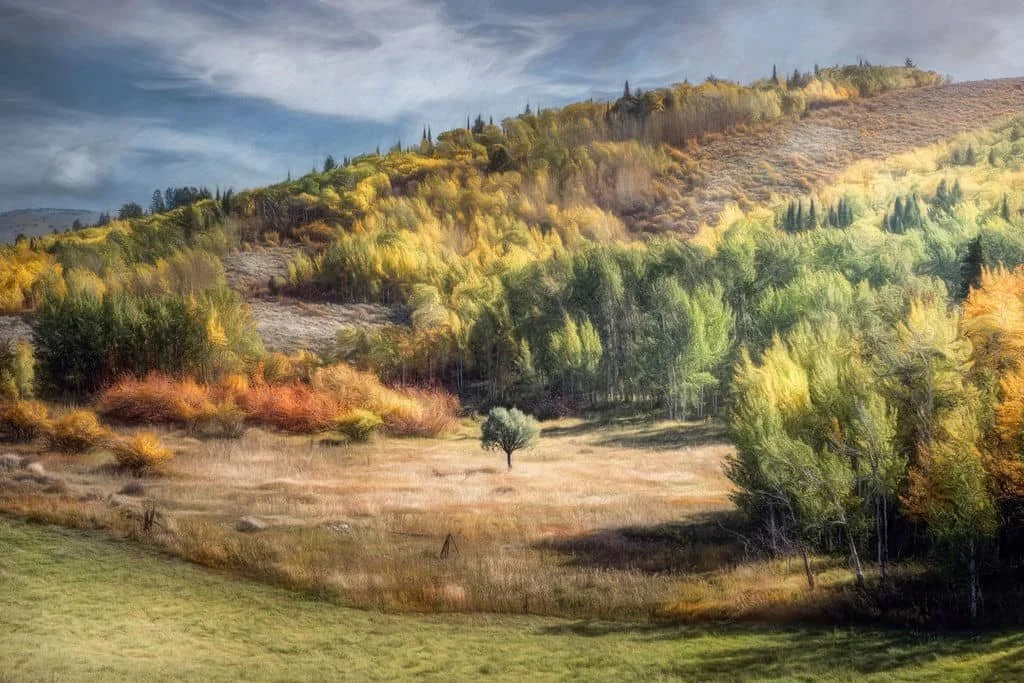
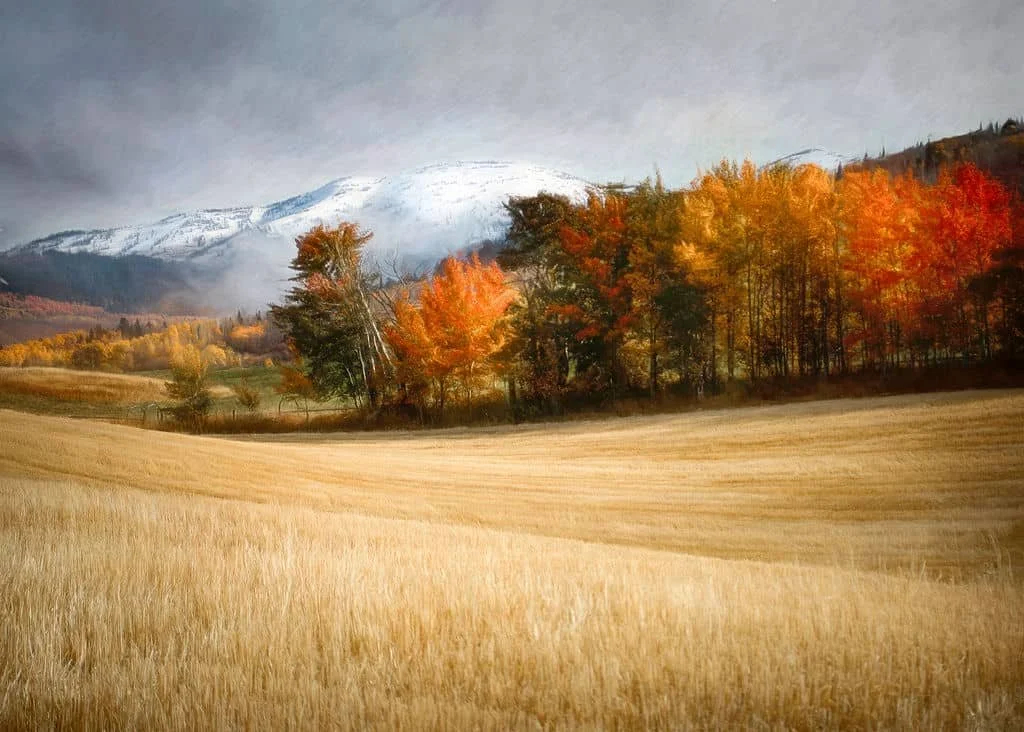
Autumn Stillness in a Golden Valley
I photographed this quiet valley during an early morning walk with my dogs, just as the sun began to rise above the mountains. The light was soft and gentle, slowly illuminating the hillside and bringing out layers of gold, green, and muted autumn tones. Everything felt hushed and still, as if the landscape was waking up along with us.
Standing there, watching the colors shift and the shadows soften, I was struck by how peaceful the moment felt—unhurried, intimate, and fleeting. The single tree in the meadow seemed to anchor the scene, adding a sense of calm and solitude to the open space. It was one of those mornings that invites you to pause, breathe deeply, and simply take in the beauty of the natural world before the day fully begins.
Peaceful wall art helps quiet visual noise
Walls crowded with sharp contrasts, heavy patterns, or busy subjects can make a room feel unsettled — even if you can’t pinpoint why.
Peaceful wall art works differently. It uses gentle transitions, open space, and softened detail to let your eyes rest. This creates a sense of visual breathing room — especially important in living rooms, bedrooms, and reading areas.
Color palettes matter more than you think
Soft, muted tones (think warm neutrals, misty blues, quiet greens, and airy grays) help establish a calming foundation.
Peaceful wall art often relies on these subdued palettes to avoid visual tension. When color feels cohesive and restrained, your room naturally feels more settled — without feeling cold or flat.
Subject matter sets the emotional tone
Certain scenes naturally invite stillness — open skies, gentle water, distant horizons, quiet trees, and abstract forms with flowing movement.
Serene wall art leans into subjects that suggest pause and openness rather than action or drama. The result is artwork that supports calm moments — morning coffee, evening wind-downs, or quiet reflection.
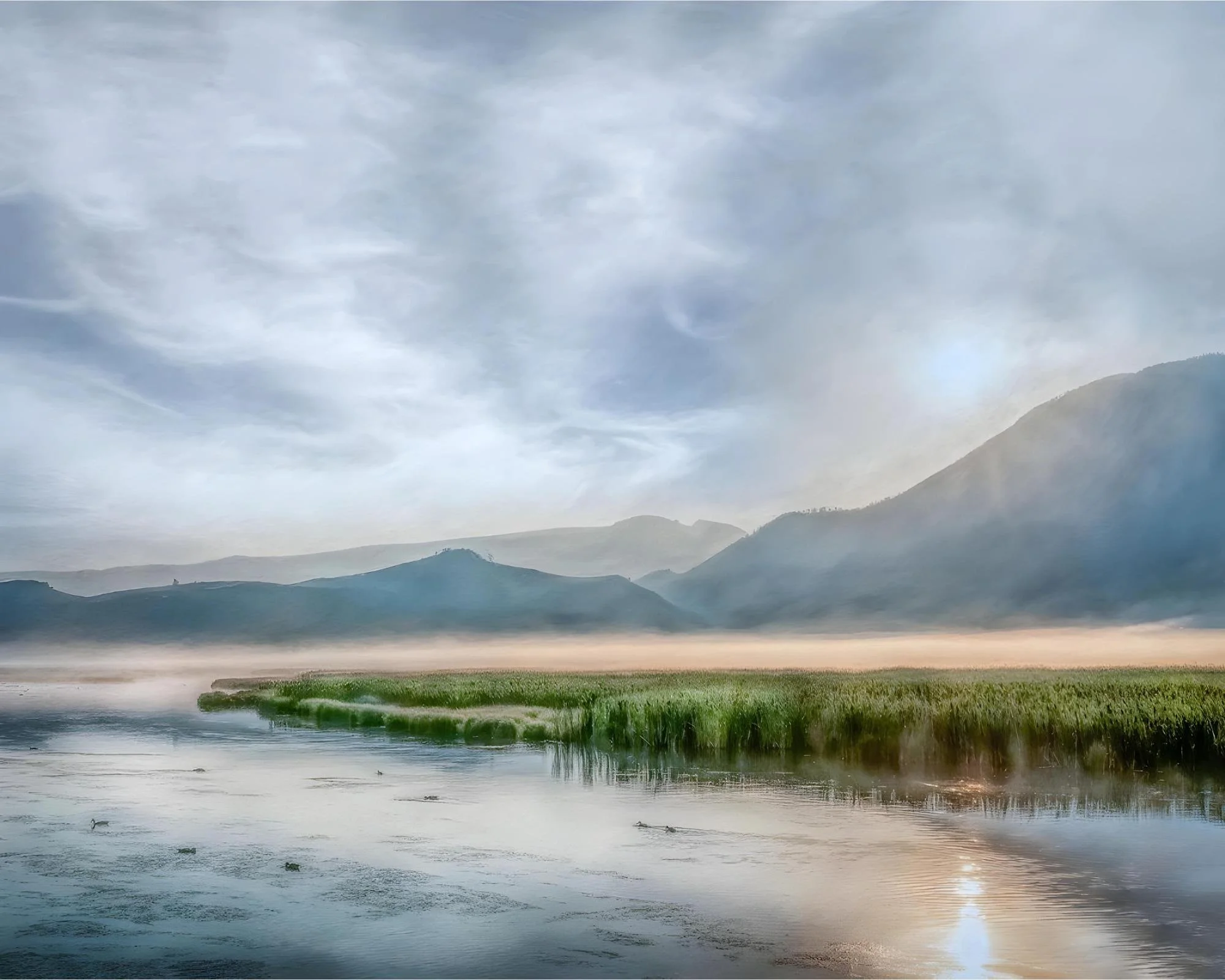
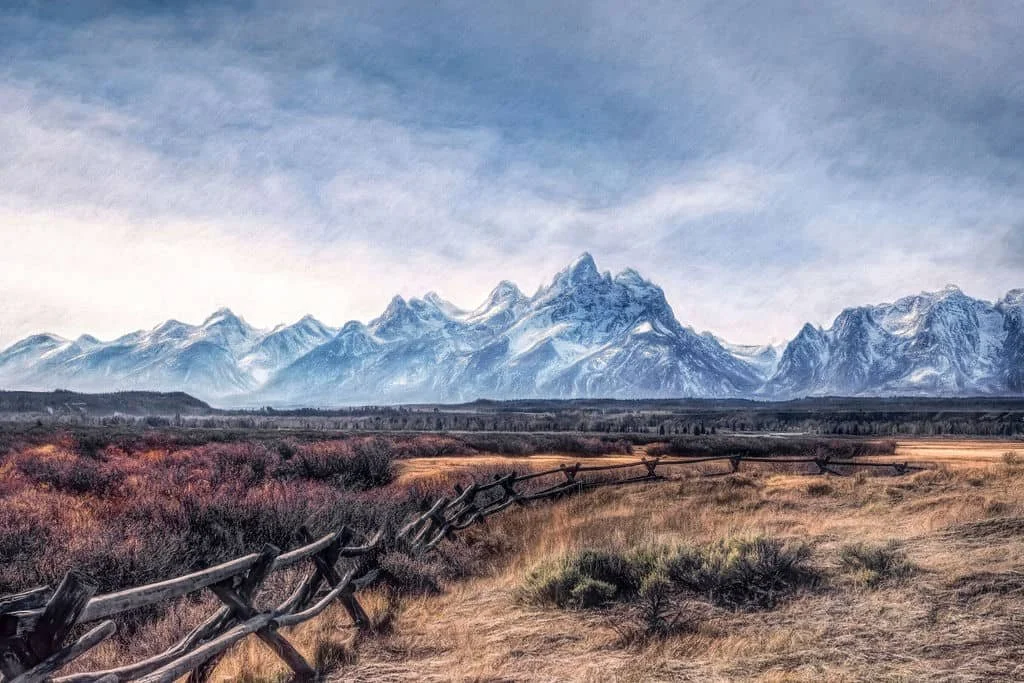
Morning Calm Over a Misty Wetland
I photographed this peaceful scene shortly after dropping my daughter off at the Jackson Hole airport, during one of those quiet moments when the morning still feels suspended in time. As the sun rose over the mountains, a soft glow spread across the landscape, and a gentle fog settled over the water on the National Elk Refuge.
The stillness was striking. The mountains appeared layered and distant, partially veiled by mist, while the water reflected the pale sky and early light. Everything felt calm and serene—an unspoken pause between goodbye and the rest of the day. Standing there, I was reminded how moments of transition often carry an unexpected beauty, offering space for reflection before life moves forward again.
This scene felt like a quiet embrace from the landscape itself—peacefual, and deeply comforting in its simplicity.
Simplicity brings balance to busy spaces
In rooms with layered textures, shelving, or mixed materials, simpler artwork creates balance.
Peaceful wall art doesn’t compete for attention — it complements what’s already there. This makes it especially effective in open-concept homes where visual consistency matters from room to room.
Scale and placement influence how calm a space feels
Artwork that’s too small can feel scattered. Artwork that’s too large can overwhelm.
Peaceful wall art works best when it feels intentional — centered over furniture, hung at eye level, and given enough surrounding space. Thoughtful placement reinforces a sense of order and ease.
Calm isn’t empty — it’s intentional
A peaceful home doesn’t mean bare walls. It means choosing artwork that supports how you want to feel in the space.
Peaceful wall art and serene wall art offer a way to add personality without visual strain — helping your home feel personal, warm, and restful at the same time.
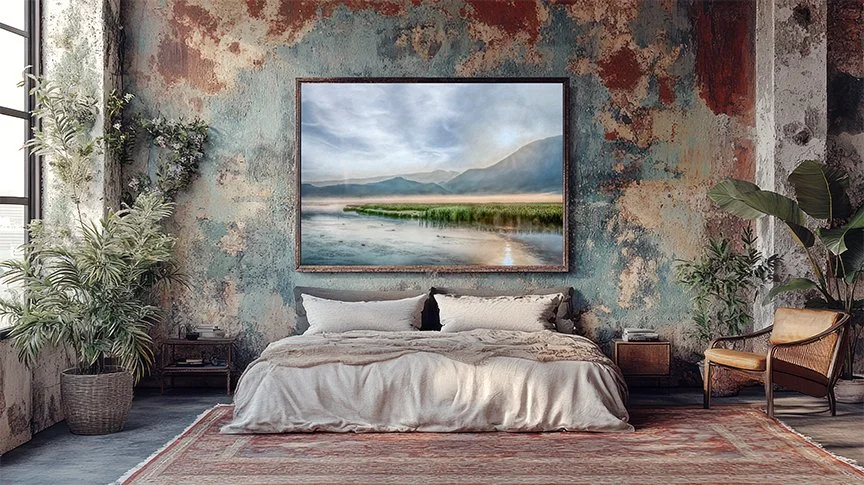
Serene Landscape Art in a Textured Loft Bedroom
A tranquil landscape print anchors this loft-style bedroom, bringing a sense of calm and balance to the richly textured walls. Soft natural light, layered textiles, and warm wood accents create an inviting space where the artwork becomes a visual retreat. The peaceful scene above the bed adds depth and quiet elegance, showing how serene wall art can soften industrial elements and transform a bedroom into a restful sanctuary.
Key Takeaways
Peaceful wall art reduces visual stress and supports calm living
Soft color palettes help rooms feel settled and cohesive
Serene wall art works best with simple subjects and gentle movement
Placement and scale matter as much as the image itself
Calm spaces feel intentional — not empty
FAQs
-
Peaceful wall art typically uses soft color transitions, open space, and gentle subject matter that allows the eye to rest.
-
Yes — serene wall art is ideal for bedrooms because it supports relaxation and reduces visual distraction before rest.
-
Absolutely. Its simplicity and subtle tones pair well with modern, minimalist, and transitional interiors.
-
Often fewer pieces create more calm. 1–2 thoughtfully placed artworks usually feel more restful than a crowded gallery.
-
It should relate in tone or color, but exact matching isn’t necessary. Harmony matters more than sameness.
-
Living rooms, bedrooms, hallways, and home offices all benefit from serene wall art — especially spaces used for rest or focus.
Summary
Creating a calm home doesn’t require a full redesign. Thoughtfully chosen peaceful wall art can soften your space, slow the visual pace, and help your home feel like a place to unwind.
If you’re ready to bring more quiet, balance, and ease into your living spaces, start by looking at your walls — and choose art that lets you breathe.
👉 Browse my fine art photography collections at PhotographyFineArt.shop and bring the outdoors inside one frame at a time.
About Lynne Marie Photography
Lynne Marie is a fine-art photographer with a deep love for nature and more than four decades of experience behind the camera. Her work captures the subtle poetry of the natural world, from the shimmer of hummingbird wings to the soft light of mountain mornings. Each image reflects her signature blend of artistry and emotion, transforming ordinary moments into timeless works of beauty. Her photography brings a sense of calm and inspiration to any home or workspace.

Lynne Marie is a seasoned fine-art photographer with more than 40 years behind the lens, capturing the quiet beauty of nature in all its forms, from delicate hummingbirds and wildflowers to sweeping mountain vistas.
Lynne’s painterly approach transforms familiar scenes into soulful works of art that stir emotion and invite reflection. Her photography brings warmth, depth, and tranquility to any space, making her prints a perfect choice for home and office decor. Each image feels like a window to a calmer, more inspired world.