
Shades of Light: Black & White Fine Art Photography
Click on any photo image to visit the gallery and explore sizing & framing options.
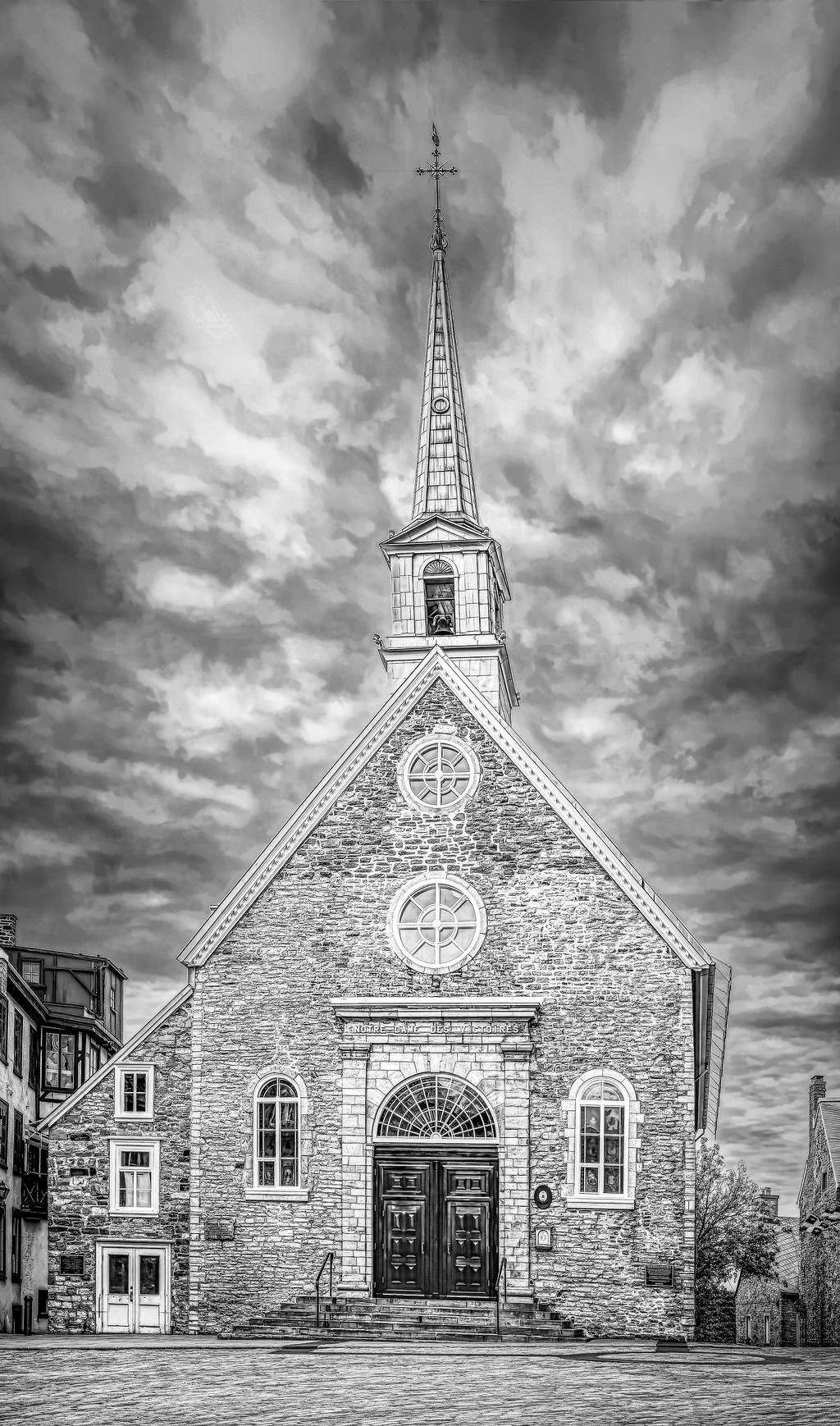
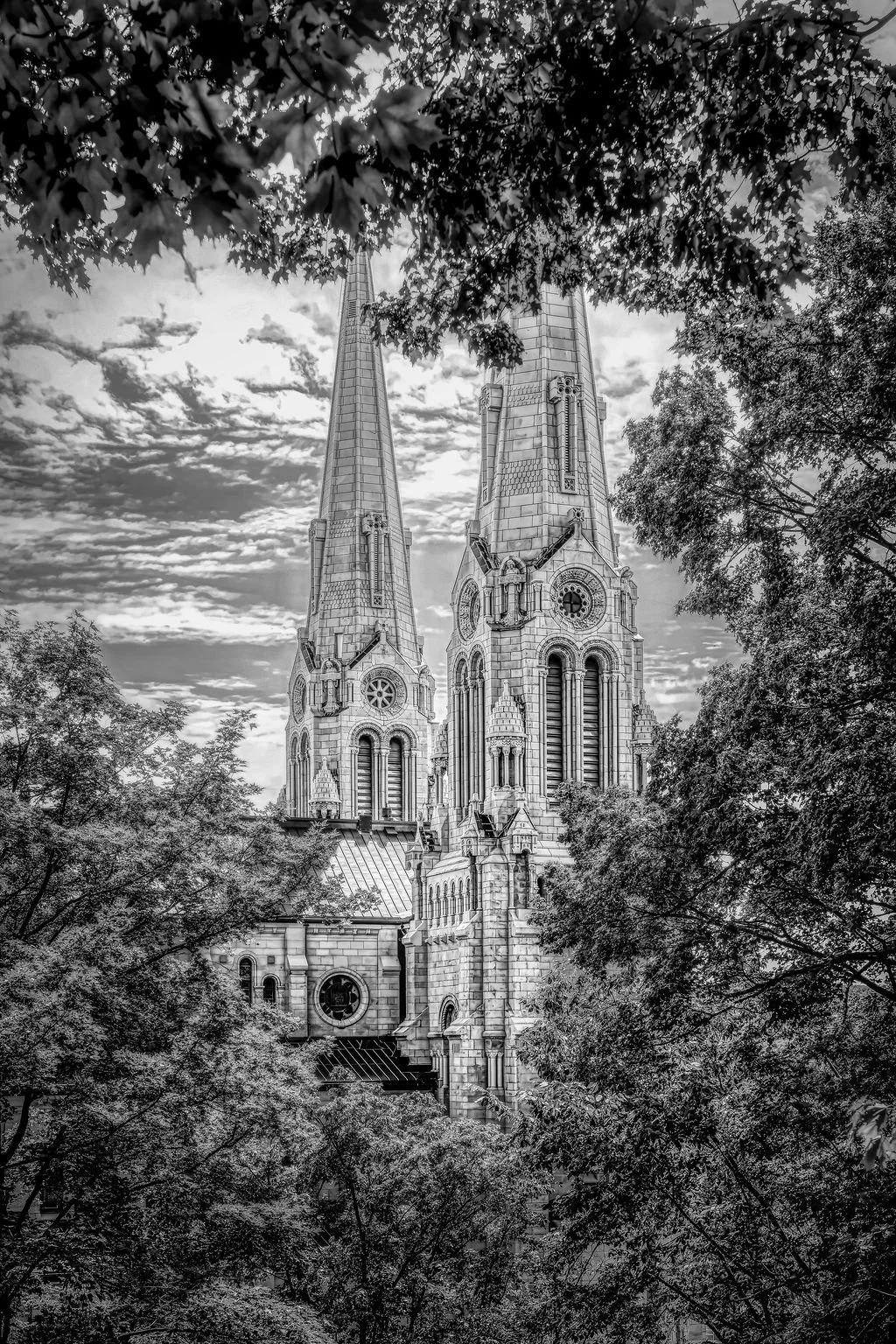
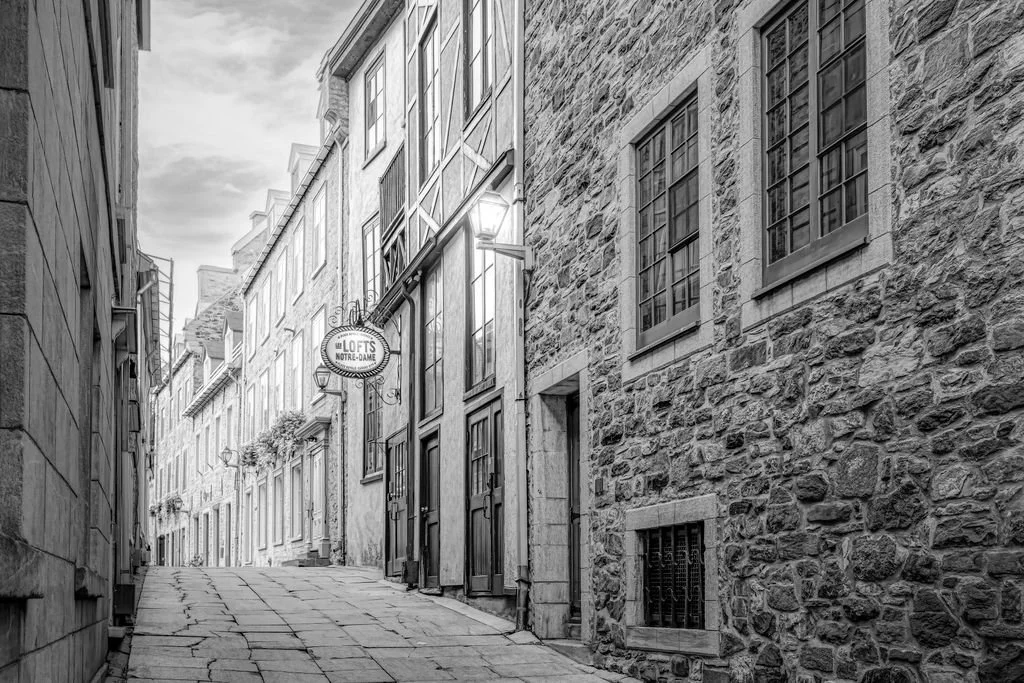
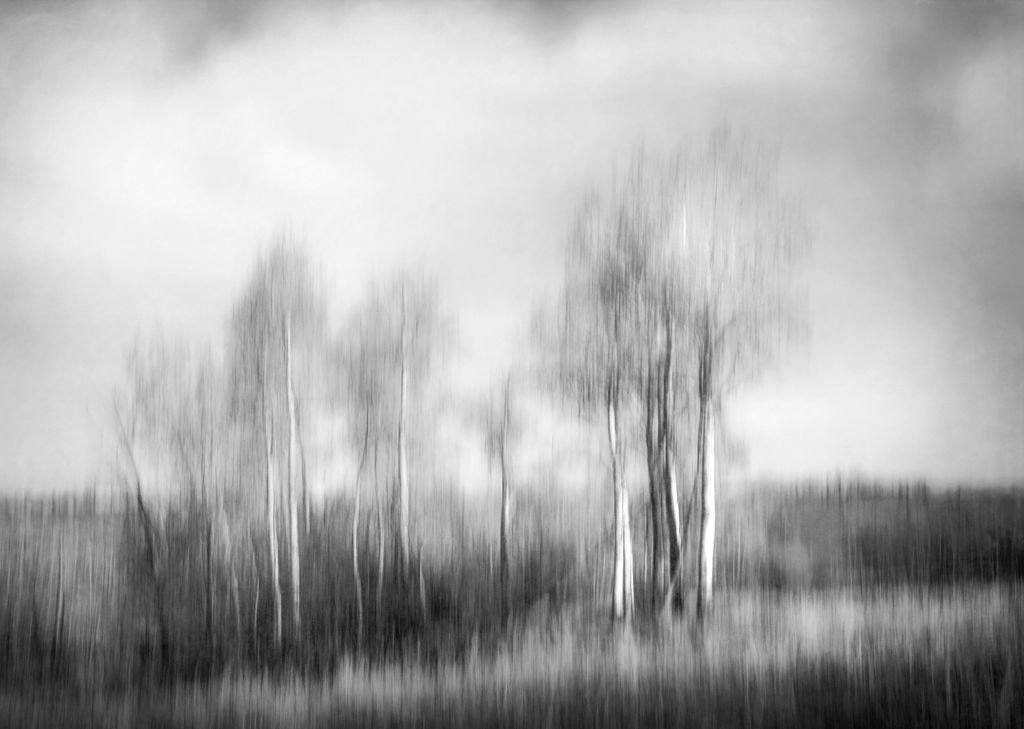
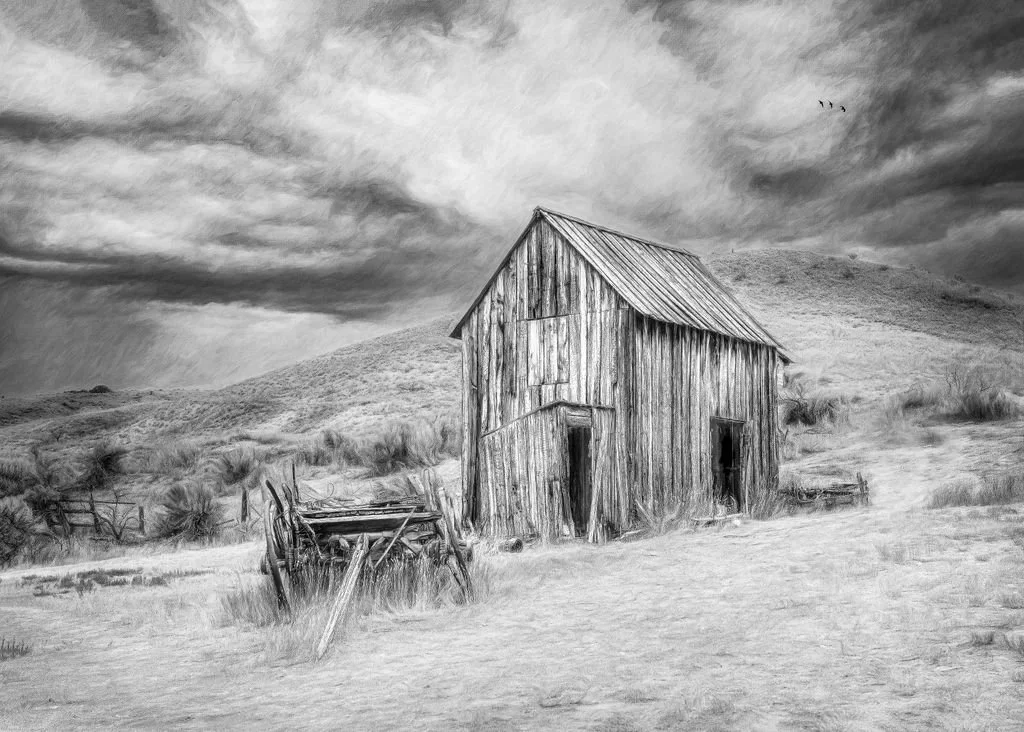
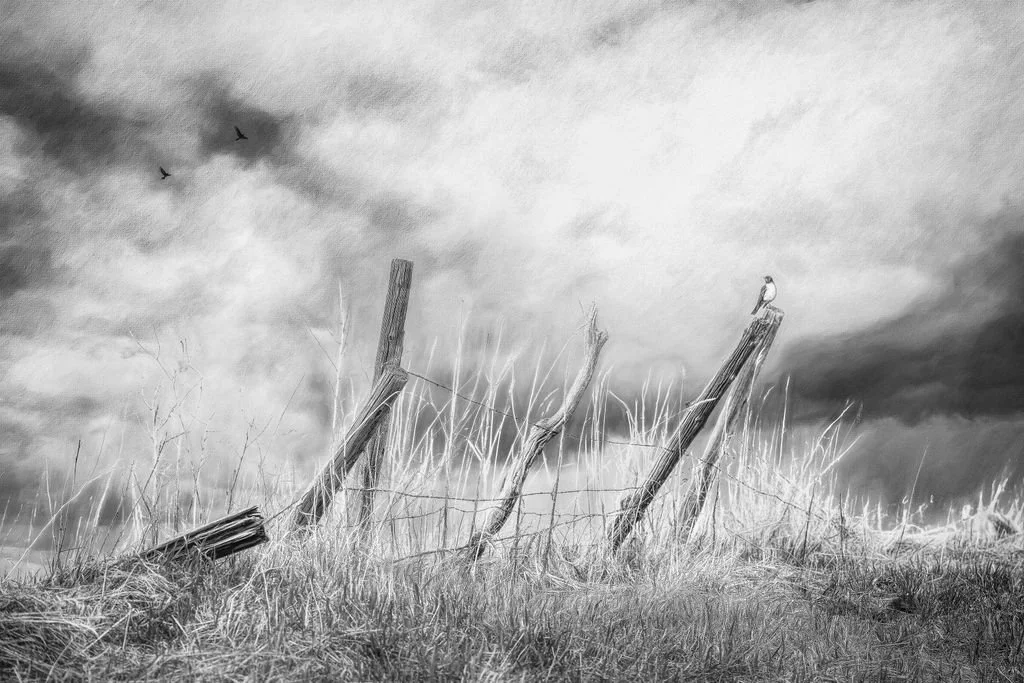
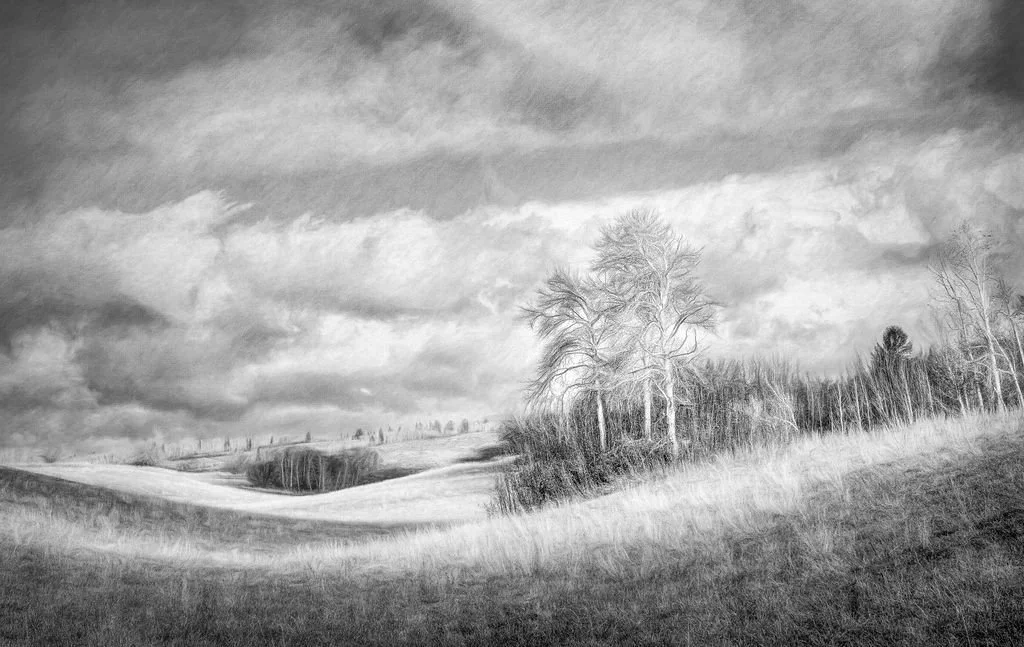
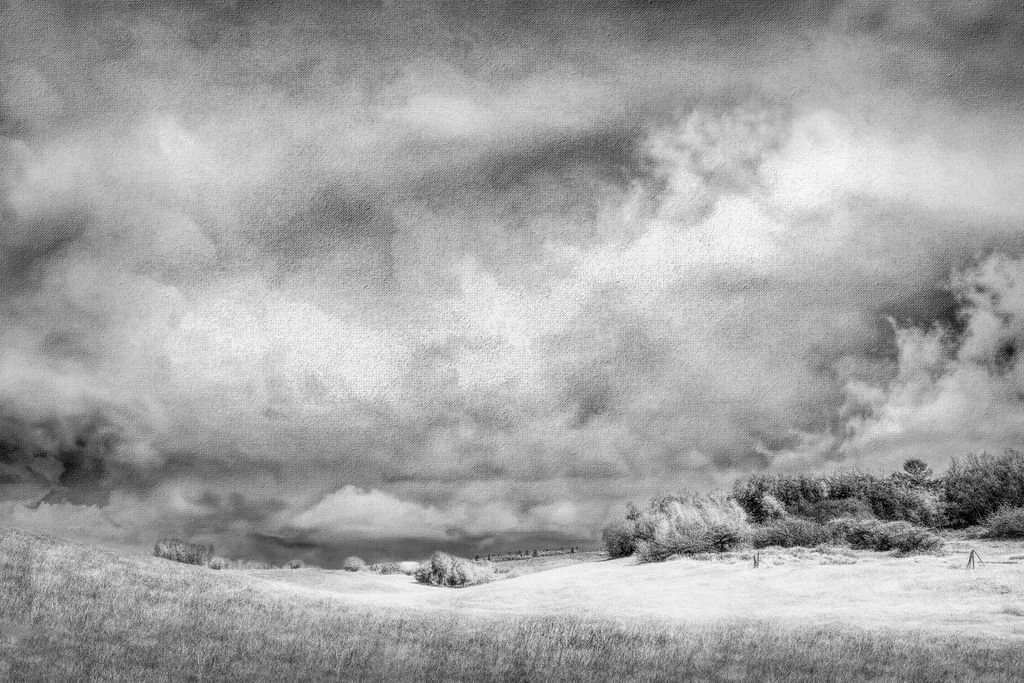
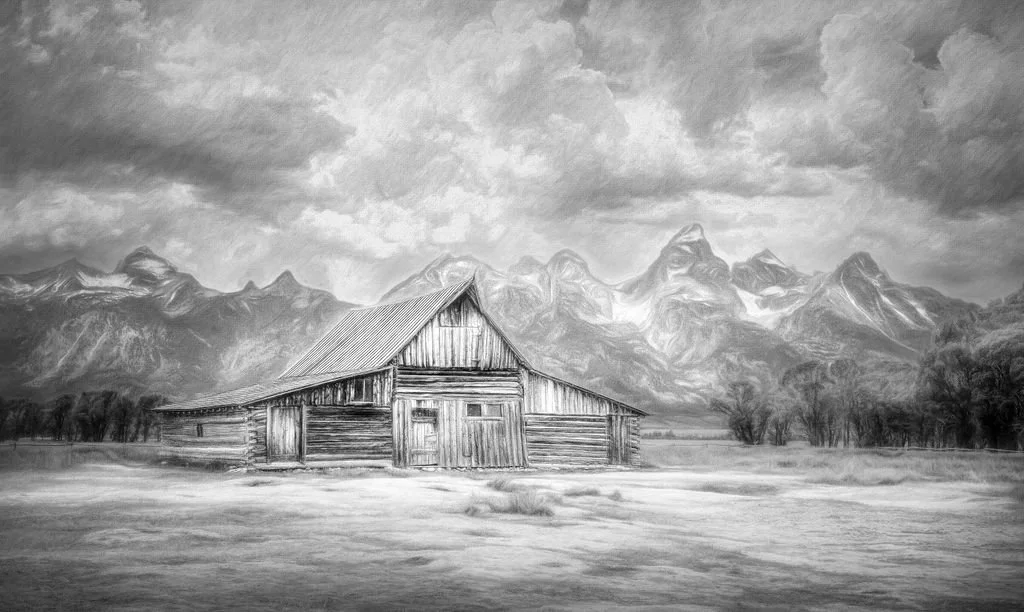
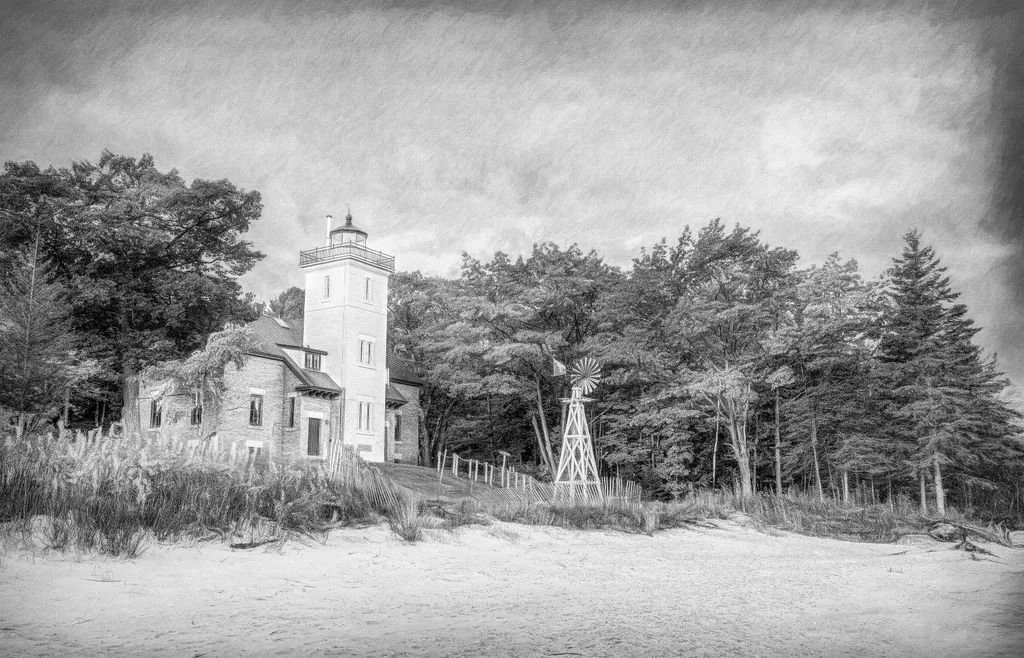
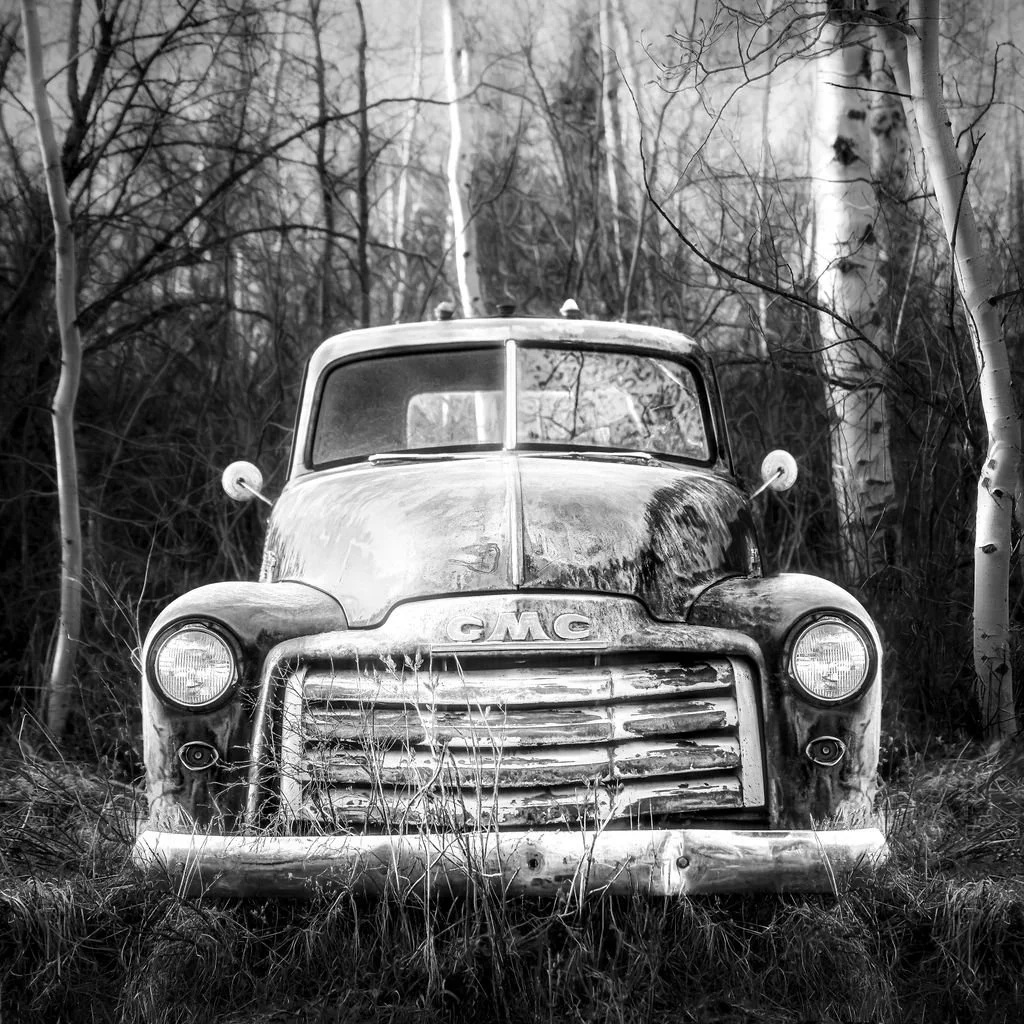
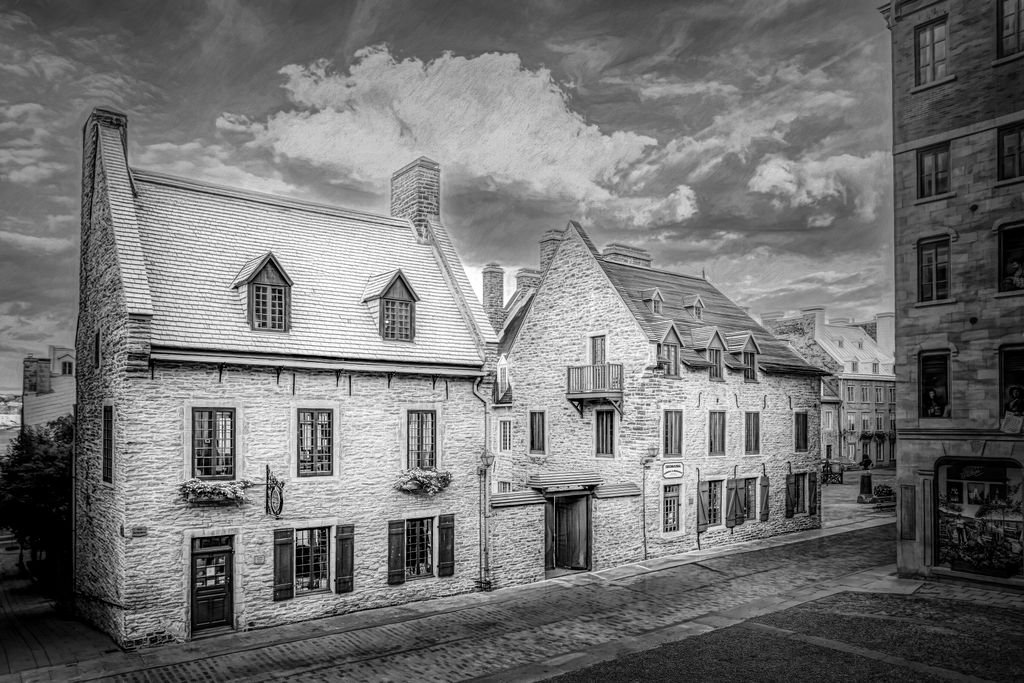
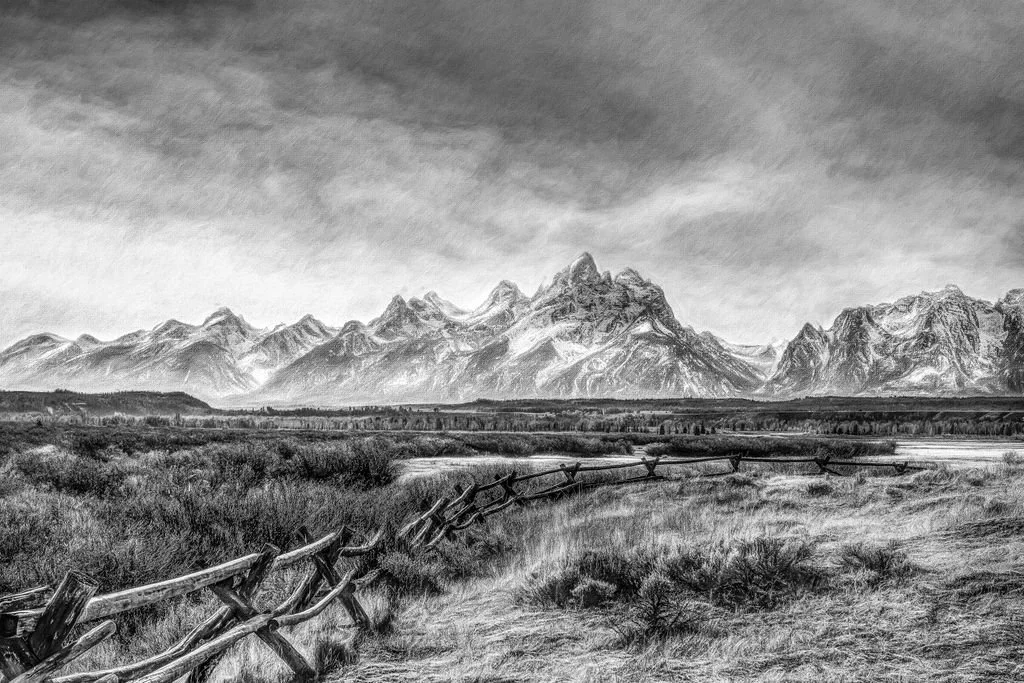
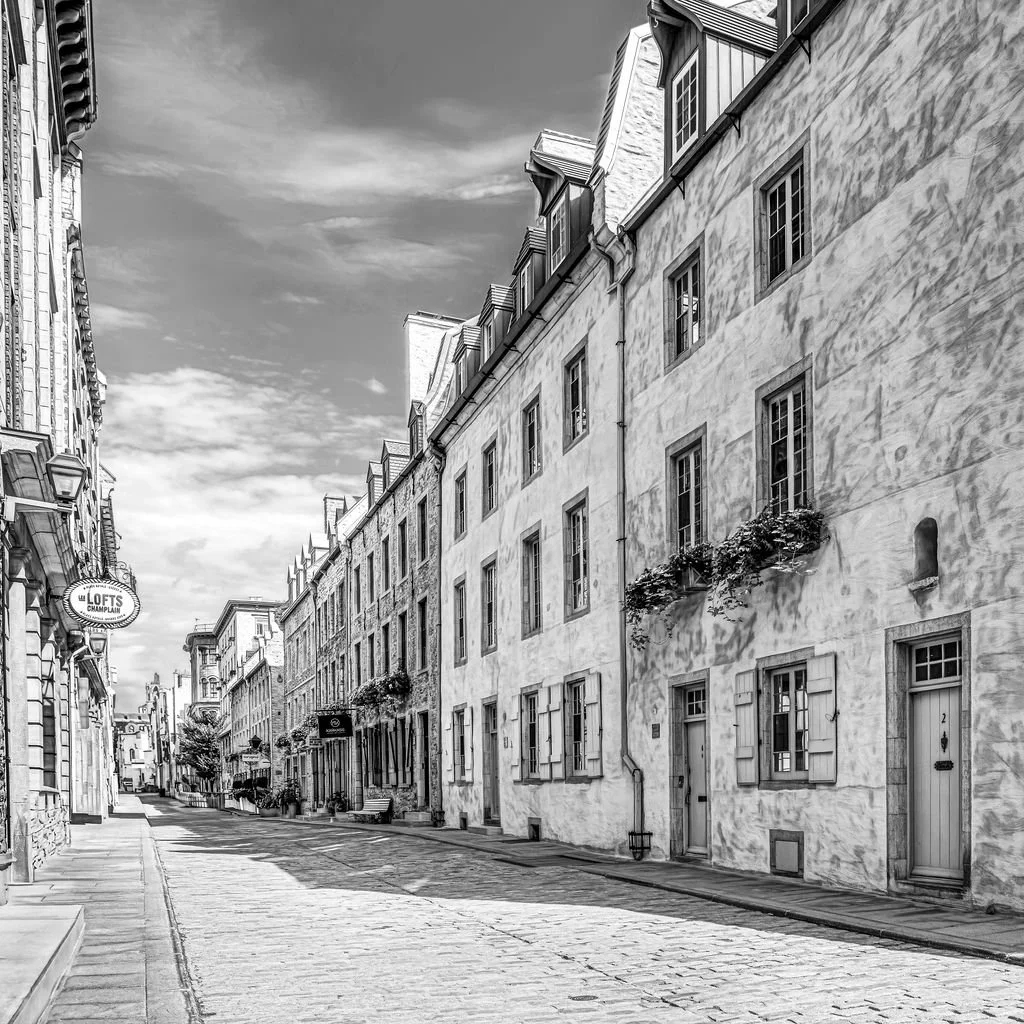
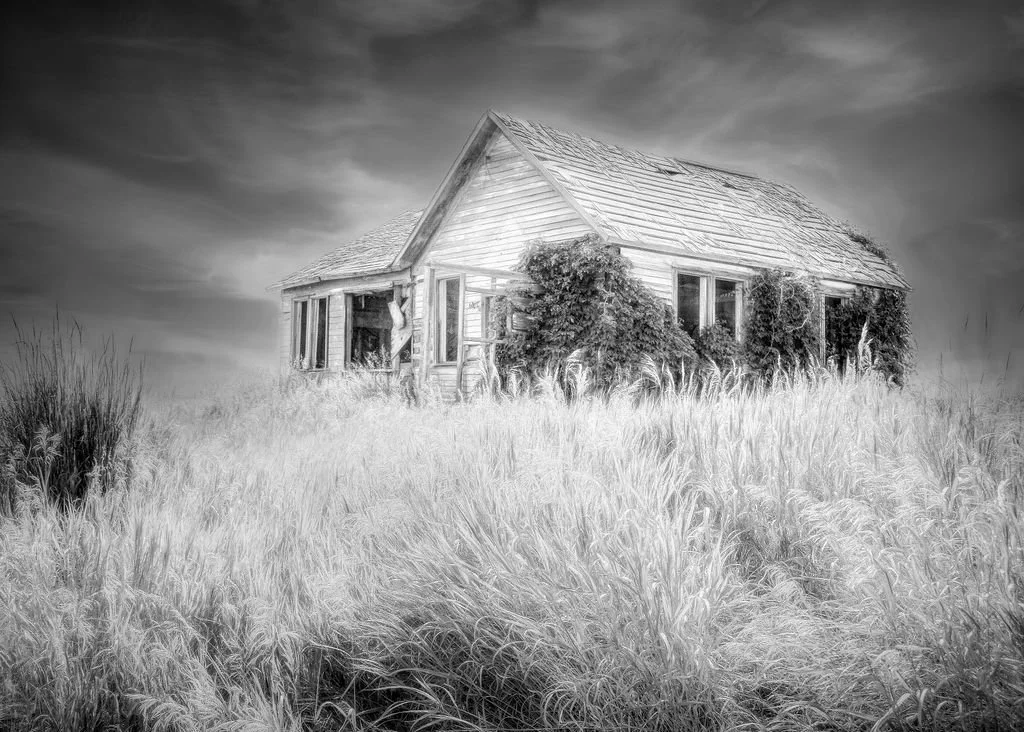
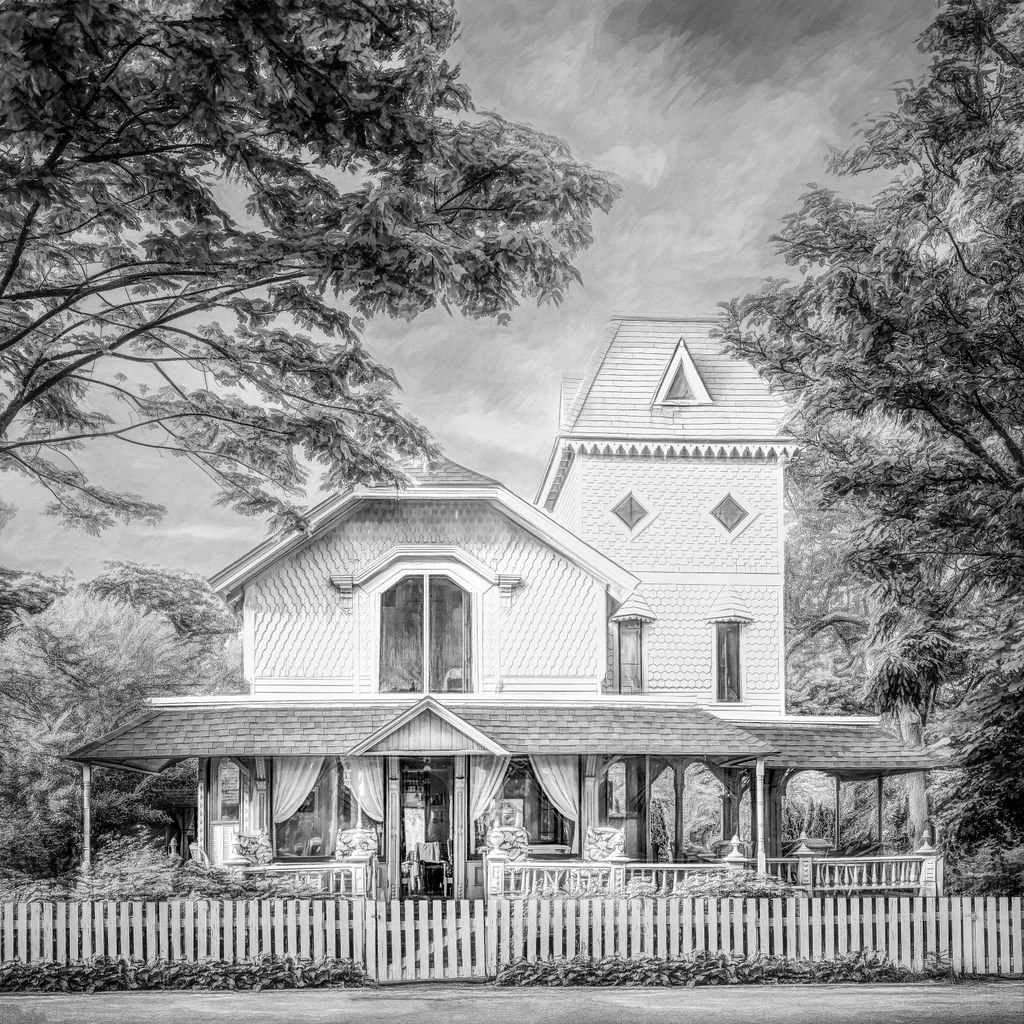
By removing color, an image is stripped down to its most essential elements
There is something enduring about black and white fine art photography. By removing color, an image is stripped down to its most essential elements—light, shadow, texture, shape, and emotion. The result is often a photograph that feels more timeless, more contemplative, and more connected to the viewer.
As a photographer, I find that certain scenes naturally lend themselves to monochrome treatment. A weathered lighthouse standing against a dramatic sky, a quiet stretch of shoreline, or a grove of trees illuminated by soft morning light can take on an entirely new character when presented in black and white. Without the distraction of color, the eye is free to explore the details that might otherwise go unnoticed.
One of the reasons black and white landscape photography remains so popular is its ability to emphasize mood. A cloudy sky becomes more dramatic. Patterns in sand, stone, and water become more pronounced. Contrast between light and dark creates depth and visual interest that can transform an ordinary scene into something memorable.
In landscape photography, color can sometimes dominate the image. Bright autumn leaves, colorful sunsets, and vibrant wildflowers are certainly beautiful, but there are times when those colors compete with the underlying structure of the scene. Converting an image to black and white allows the photographer to focus on composition and tonal relationships instead. The result is often a stronger and more intentional photograph.
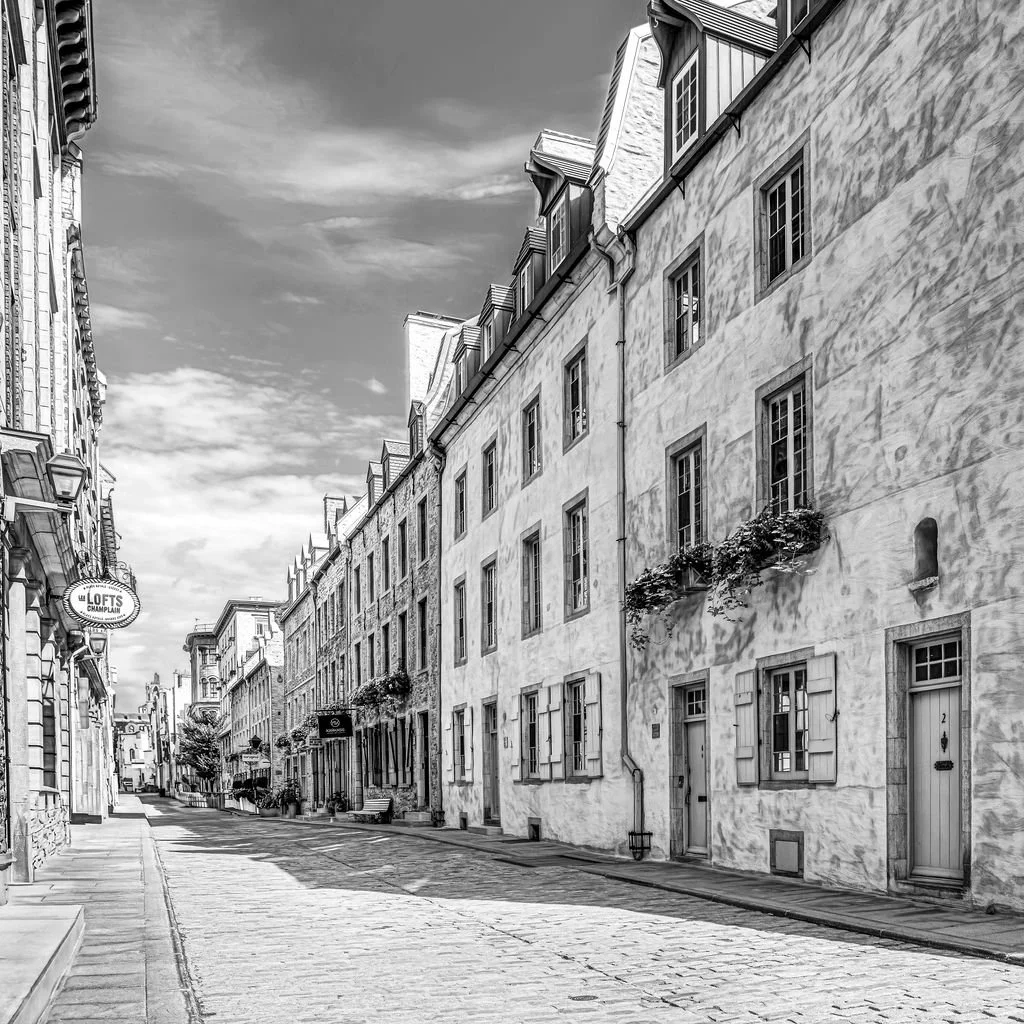
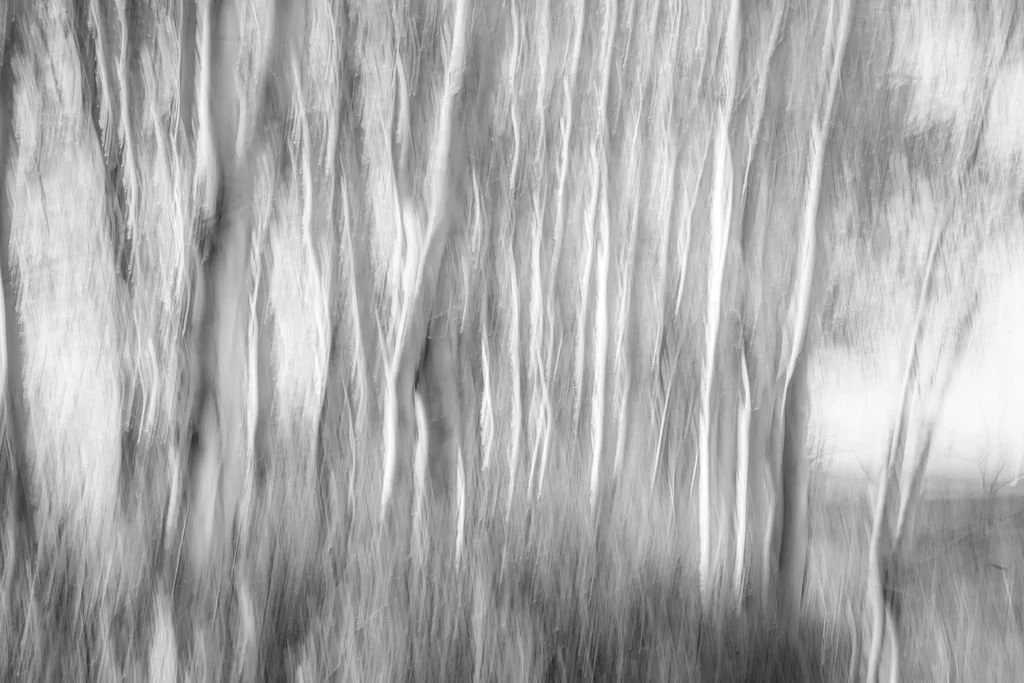
Viewers are encouraged to slow down and engage with an image in a deeper way
Another advantage of black and white fine art photography is its versatility as wall art. Monochrome prints complement a wide variety of interior styles, from traditional and farmhouse décor to contemporary and minimalist spaces. Their neutral tones allow them to blend seamlessly into a room while still providing a striking visual focal point.
Creating compelling black and white landscape photography requires more than simply removing color. The best monochrome images are carefully crafted through thoughtful editing and attention to tonal balance. Highlights must retain detail, shadows should have depth, and midtones need enough separation to create dimension. The goal is to guide the viewer’s eye through the image using light rather than color.
Texture also plays an important role. Weathered wood, rolling clouds, rippling water, and rugged stone often become more prominent in black and white. These details help create the tactile quality that many collectors and photography enthusiasts appreciate in fine art prints.
Perhaps most importantly, black and white photography has a unique ability to evoke emotion. It encourages viewers to slow down and engage with an image in a deeper way. Rather than being drawn immediately to bright colors, they are invited to explore the story, atmosphere, and feeling contained within the photograph.
Whether capturing a quiet shoreline, a historic lighthouse, or a peaceful rural landscape, black and white fine art photography offers a timeless way to interpret the world. Its simplicity, elegance, and emotional depth continue to make it one of the most powerful forms of photographic expression, ensuring that black and white landscape photography remains as relevant and inspiring today as ever.
If you like my Black and White Gallery, you will want to check out my Quiet Light Gallery.
FAQ
-
Black and white fine art photography focuses on light, shadow, texture, and mood. Without color, the image often feels more timeless, peaceful, and expressive.
-
Yes. Black and white landscape photography is very versatile and works beautifully with farmhouse, coastal, traditional, rustic, and modern interiors.
-
Yes. Black and white prints create a cohesive, elegant look and can be easily combined with other artwork or photography.
-
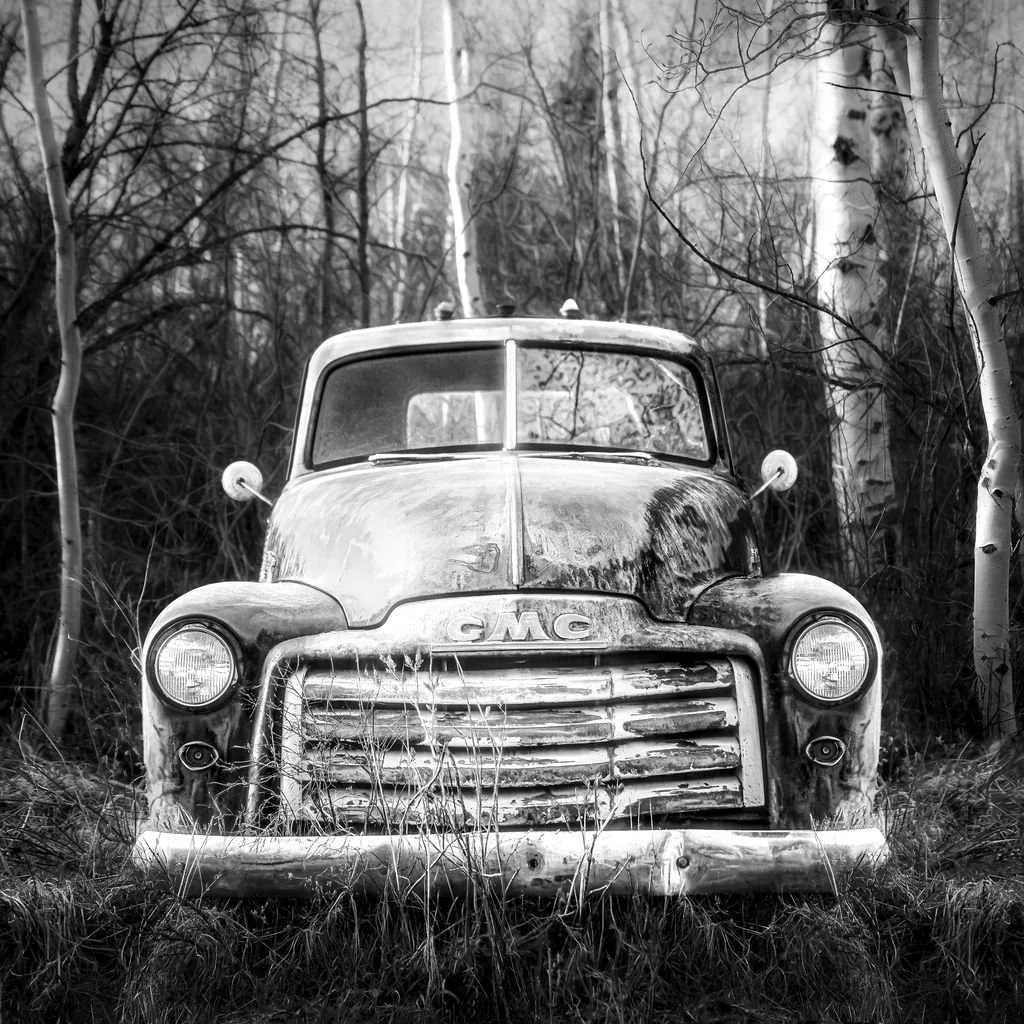
Lighthouses, trees, mountains, shorelines, old buildings, cloudy skies, and quiet rural landscapes often work beautifully in black and white.
-
They often do. Black and white photography has a classic quality that helps the image feel calm, lasting, and meaningful.
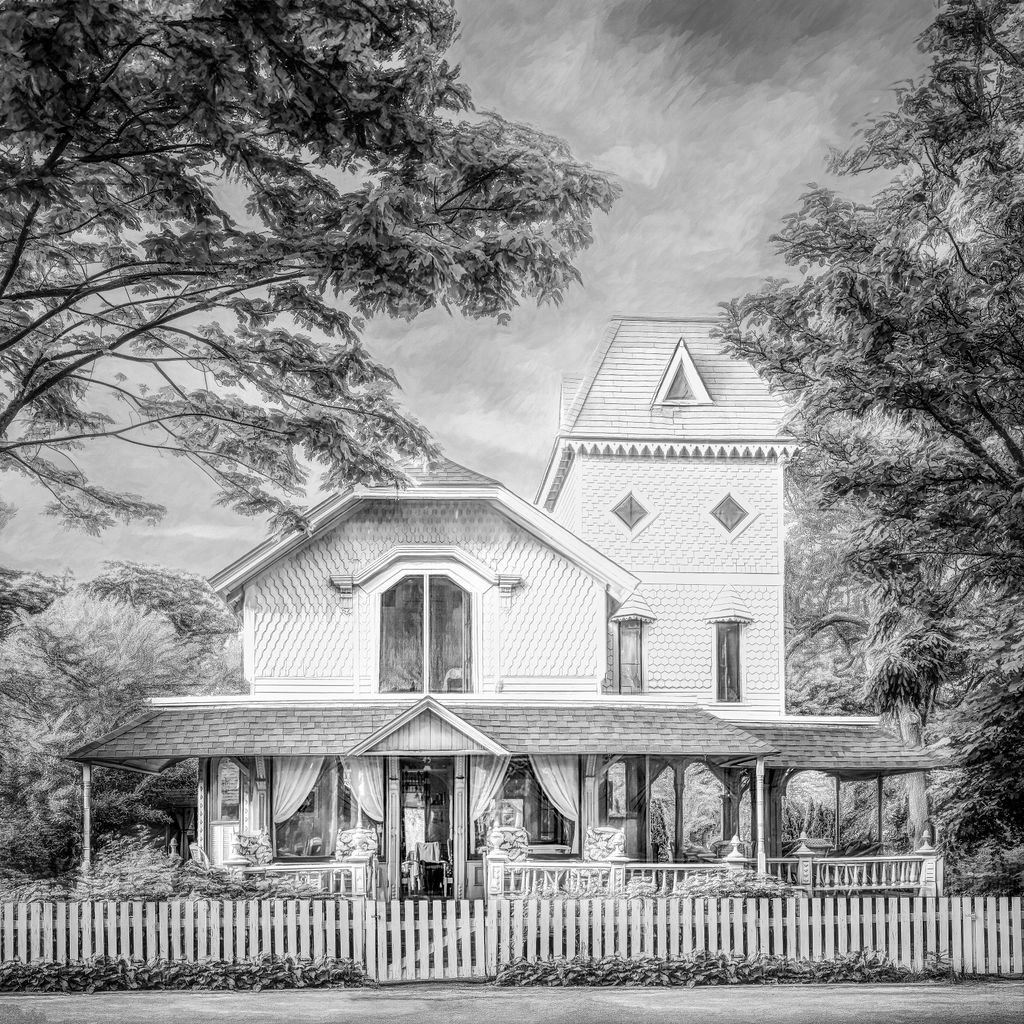
This black and white photograph captures the timeless beauty and peaceful solitude of the coast. This print is perfect for coastal home or beach house decor.